Where the Fields Held Their Breath
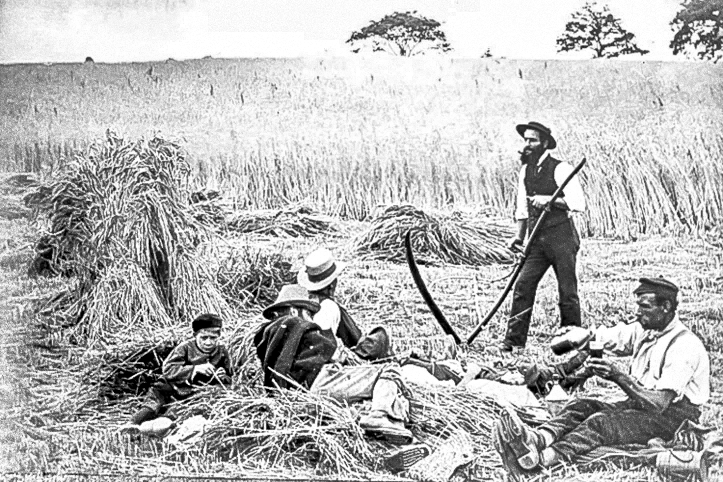
Downham wasn’t always houses and hedges. Before the 1920s, it was just fields—Holloway and Shroffolds Farms stretching out like a green sigh between Catford and Bromley. A rifle range near Rangefield Road was the only nod to human ambition, and even that felt temporary, like a half-forgotten dream of empire. The land was quiet, rural, and probably smelled like manure and moss. But after World War I, the city started to sweat. Deptford and Bermondsey were bursting at the seams, and the London County Council decided to build something better. Something cleaner. Something far enough from the chaos, but close enough to still punch a clock.
Twelve Bob and a Garden
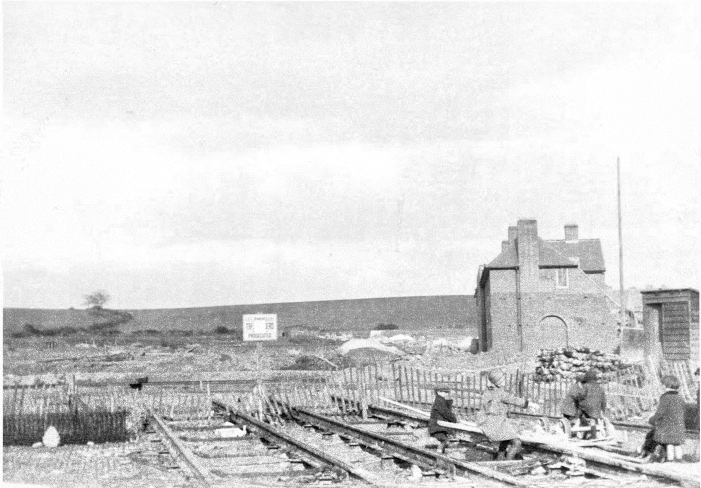
They called it Downham, after Lord Downham, a bureaucrat with a name that sounded like a hilltop village. And that’s what they built—a cottage estate, brick by brick, on nearly 600 acres of compulsorily purchased farmland. Between 1925 and 1930, 7,000 homes rose from the dirt, mainly two-storey houses with gardens, a few flats. A narrow-gauge railway from Grove Park hauled in the materials like veins feeding a growing body. The rents weren’t cheap—12 shillings a week—but the tenants came anyway. Clerks, machinists, veterans. People who’d seen too much and wanted something solid.Something that didn’t leak when it rained.
Guinevere Doesn’t Live Here
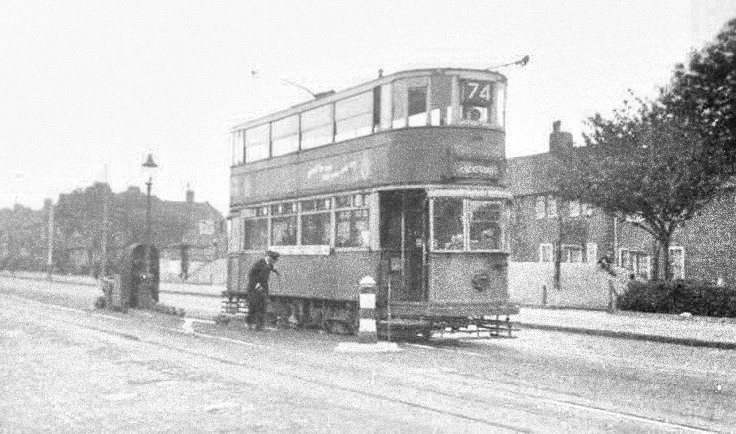
Shops were slow to arrive, and the social scene was a ghost town. Some folks packed up and went back to the inner city, trading fresh air for familiarity. Others stayed, stubborn or hopeful or just too tired to move again. The tram line ran all night, a lifeline to London’s heart, but the commute was long and the jobs were still far away. The streets were named after Arthurian legends—Malory, Guinevere, Lancelot—but no one knew why. Maybe someone at the LCC had a romantic streak. Or maybe it was just another layer of myth pasted over the concrete.
Gardens Grew, Kids Grew, Downham Stayed
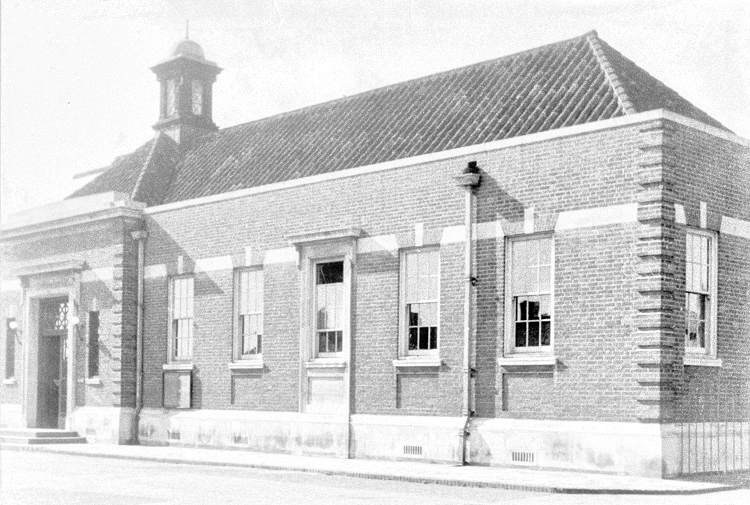
By the 1930s, Downham had a cinema, a library, and a swimming baths. The library opened in 1937, got bombed in the war, and reopened in 1958 like a phoenix with overdue books. The baths closed in the 1980s, demolished in the 2000s, in it's place, a new leisure centre—less grand, maybe, but still echoing with splashes, laughter, and the stubborn will to keep something alive. The estate aged, like everything does. The kids grew up, the gardens grew, and the stories settled into the cracks of the pavement. But Downham held on. It always does.
Blueprints Fade, Stories Stay
And maybe that’s the real story. Not the architecture or the planning or the names on the blueprints. But the people who moved in, moved out, and moved on. The ones who built lives in red-brick houses with red-tile roofs. The ones who rode the trams at midnight and cursed the distance. Downham isn’t a monument—it’s a living memory, stitched into gardens, street corners, and the stubborn rhythm of everyday life. A stitched-together patch of London where the city tried to dream a little bigger. And like all dreams, it’s messy, beautiful, and still unfinished.